66% of logistics pros say talent quality — not cost — is the #1 factor in choosing a nearshore partner. Rapido's integration model explains why that's the right question to be asking.
Plus, a carrier pleading guilty to mob money laundering while still FMCSA-active, Iran's first post-ceasefire attack and what it means for diesel surcharges, FedEx Freight's first earnings as a standalone company, and more in today's newsletter.
Freight brokers are measuring their inboxes wrong. Most inbound email is monitoring, not work. And the longtail categories that look like noise are costing real margin. Here's how to audit what's actually in your inbox, and why it matters in 2026's margin-first market.
Persistent Inflation Pressures in Grocery Store Aisles
To try to reduce costs, Kroger’s sourcing and supply-chain teams are examining the trucking routes for food manufacturers and other areas where expenses could be stripped out, McMullen said.
Prices have continued to rise fast for packaged food and other goods in the so-called center store. PHOTO: ASA FEATHERSTONE, IV FOR THE WALL STREET JOURNAL
Grocery Prices Rise Steadily, Particularly for Packaged Food and Household Goods
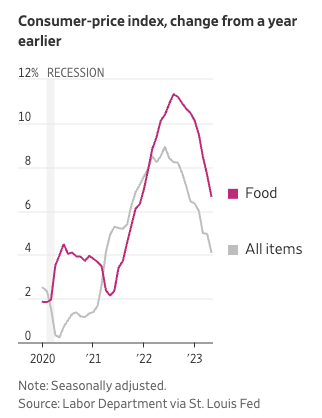
Inflation remains high in the central aisles of grocery stores, the areas known for packaged food and household goods, despite the overall easing of prices for products such as meat, eggs, and gas. According to NielsenIQ data, prices for items like potato chips and mayonnaise have increased by 17% and 23%, respectively, in comparison to the previous year. The persistent price hikes are affecting consumers' purchasing power and leading to a power struggle between retailers and consumer packaged goods producers. Even though the pace of food-price increases has slowed, the inflation rate for "dry grocery" is still high at 12%.
Consumers Turn to Cheaper Options, Businesses Resist Lowering Prices
The consistent price rise has led consumers to increasingly opt for cheaper versions of packaged groceries, while the cost for food companies has started to ease. Retail giants like Walmart and Amazon's Whole Foods have been pushing back on high prices from food manufacturers. Meanwhile, store brands are growing almost twice as fast as national brands in stores like Target. Despite these trends, some food manufacturers continue to defend their higher prices and are open to further increases, citing their own increased costs for labor, transportation, and ingredients.
Plus, a carrier pleading guilty to mob money laundering while still FMCSA-active, Iran's first post-ceasefire attack and what it means for diesel surcharges, FedEx Freight's first earnings as a standalone company, and more in today's newsletter.
Freight AI pilots succeed. Production deployments often don't. Augment CEO Harish Abbott on the change management gap — and what ops leaders need to do before the tech even matters.
Plus, the offshore dispatchers your safety score can't catch, why Hormuz stays closed even after the war ends, what Triumph Financial's invoice volumes say about where freight is headed, and more.
Plus, diesel's rising price streak finally snaps, a 13-year shipper relationship ends in a $726K lawsuit, Congress takes a real swing at cargo theft, and more in today's newsletter.
Keep up with the freight broker world in 5 minutes.
Join over 14K+ subscribers to get the latest freight news and entertainment directly in your inbox for free. Subscribe & be sure to check your inbox to confirm (and your spam folder just in case).