66% of logistics pros say talent quality — not cost — is the #1 factor in choosing a nearshore partner. Rapido's integration model explains why that's the right question to be asking.
Plus, a carrier pleading guilty to mob money laundering while still FMCSA-active, Iran's first post-ceasefire attack and what it means for diesel surcharges, FedEx Freight's first earnings as a standalone company, and more in today's newsletter.
Freight brokers are measuring their inboxes wrong. Most inbound email is monitoring, not work. And the longtail categories that look like noise are costing real margin. Here's how to audit what's actually in your inbox, and why it matters in 2026's margin-first market.
The brokers winning the most freight are making the least on it. Plus: diesel drops but the floor isn't set, Laredo loses another one, the liability ruling is a gift to the giants, and more.
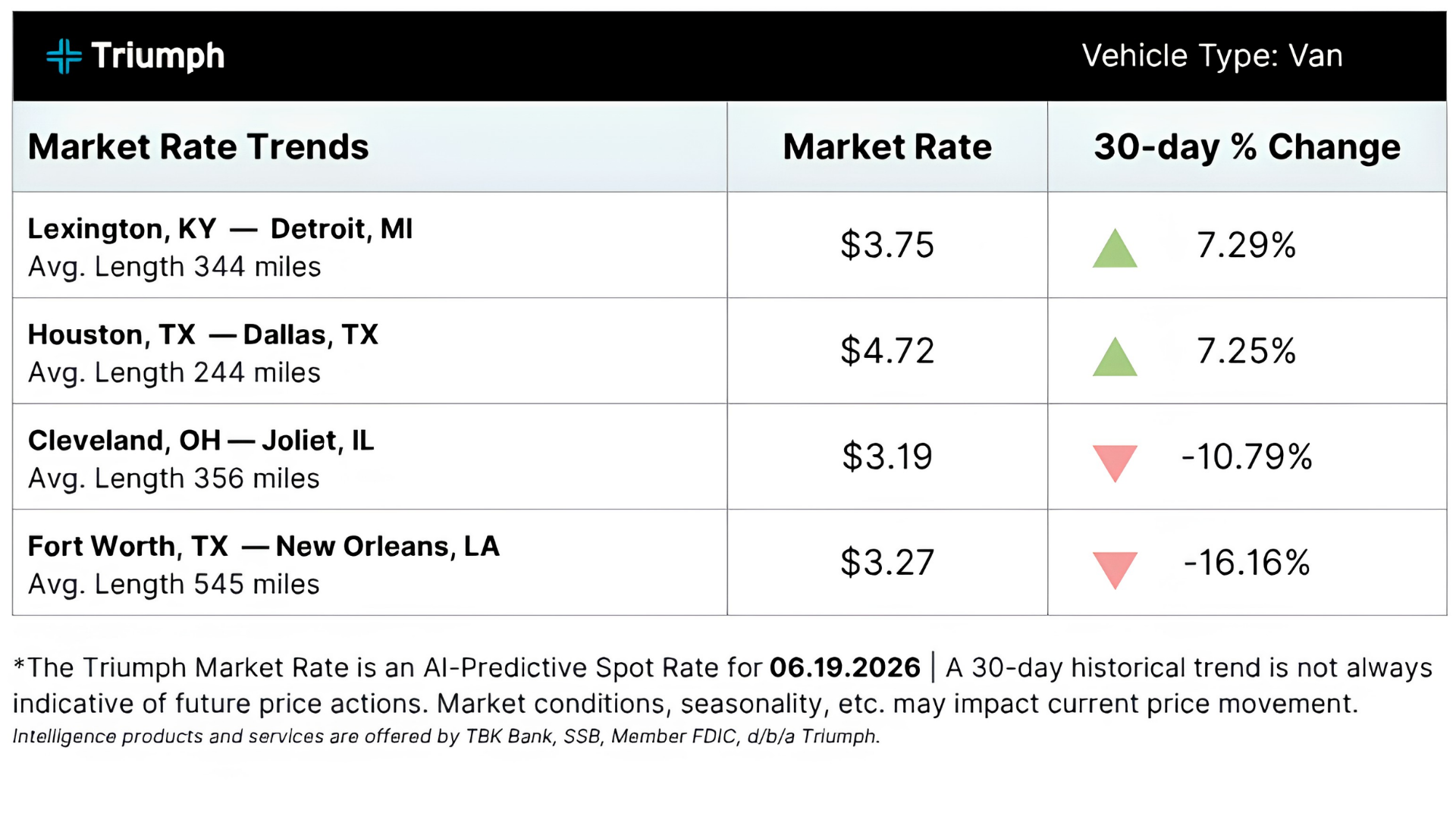
Top Lane Movers is going away soon! Subscribe to Triumph Market Insights on LinkedIn to track rates, capacity, and more market trends powered by the real transactions of more than 65% of brokered freight.
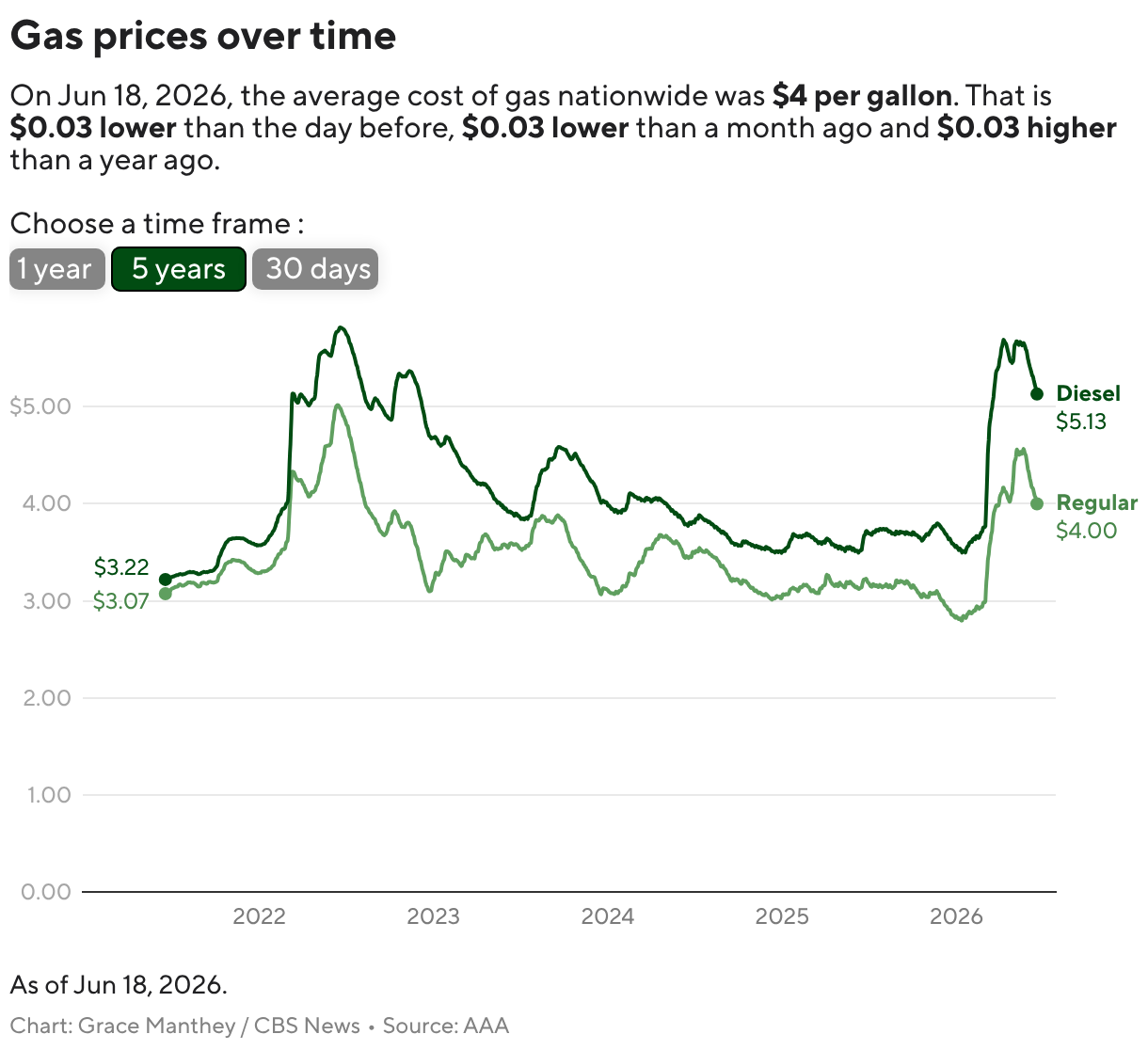
⛽ Diesel Drops, But the Floor Isn't Set. The benchmark diesel price that most fuel surcharges are based on just fell 15.1 cents to $5.059 a gallon, its lowest since mid-March, after the U.S. and Iran signed a peace deal that pulled crude down with it. On the CME, ultra-low-sulfur diesel settled at $3.17 a gallon, down 44 cents in four trading days. For brokers, that means surcharge resets are coming, and shippers will expect to see them, but the relief is thinner than the headline suggests, because diesel is still more than a dollar above the $3.897 it sat at before the fighting started. The International Energy Agency is hedging hard on whether the slide holds, pointing to a global supply deficit it expects to average 2.1 million barrels a day through August and warning that a full return to normal traffic through the Strait of Hormuz is still several months out.
📉 Laredo Loses Another One. Triple RRR Carriers, a Laredo cross-border hauler, filed for Chapter 7 and told Texas it has ended operations. This is a full liquidation, not a reorganization. As recently as early May, the carrier showed 177 trucks and 286 drivers in FMCSA's system, and now it reports roughly $1.2 million in liabilities against $2,000 in assets. It's the second Laredo carrier to fold in months, following Texas International Enterprises, which filed for Chapter 11 in December. Laredo is the busiest US-Mexico crossing, which makes these the carriers most exposed to the tariff and USMCA uncertainty hanging over cross-border freight.
⚖️ The Liability Ruling Is A Gift To The Giants. J.B. Hunt told a Wells Fargo conference that the Supreme Court's Montgomery decision, which lets brokers be sued for picking unsafe carriers, will boost its dedicated business, already on track to add 800 to 1,000 trucks this year. C.H. Robinson, the broker named in the case, is calling the ruling "clarity" and says it widened its carrier risk criteria within a week. The court told brokers to exercise "reasonable care" without defining what that means, and the players with the deepest vetting teams are positioned to sell that ambiguity as an advantage. The small broker inherits the same new liability with none of the cover.
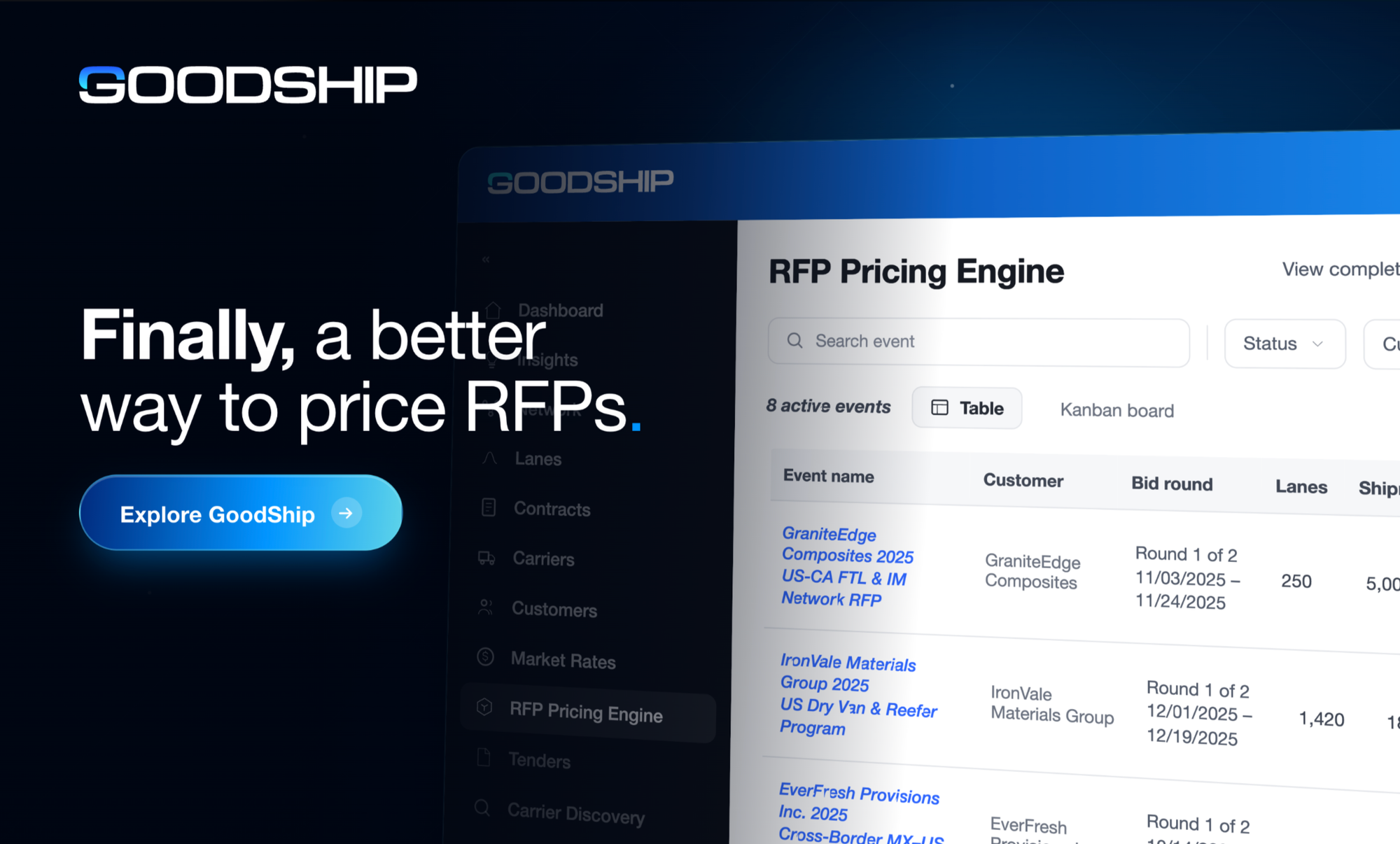
Most broker RFP workflows haven't changed in a decade. See how GoodShip's RFP Pricing Engine uses AI, historical pricing data, and network intelligence to help brokers move faster, price smarter, and focus on the freight worth winning.
Spot rates ripped through the spring: van averaged $2.89 a mile in May, reefer $3.35, flatbed $3.65, per DAT. For years, these lanes scraped along near $2.
Brokers should be cashing in. Many are getting beaten instead.
Spot Wins, Contract Loses
The split runs by size. Ken Adamo, former DAT analytics chief and now chief strategy officer at Ease Logistics, calls it "a tale of two sides of the business."
Smaller brokers, who mostly work spot loads, are doing fine. The big brokers that moved into asset-like models, selling annual contracts to shippers, then covering them off an ever-pricier spot market, are the ones eating the loss.
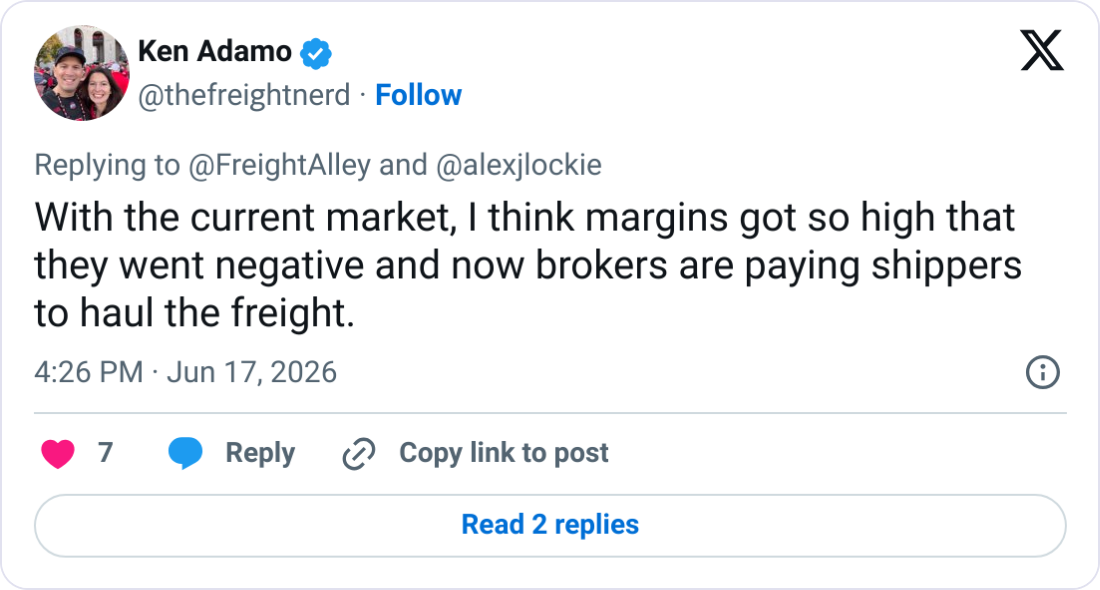
When spot rates jump fast, they're stuck paying up for trucks while collecting the old contract price. Adamo says the contracts Ease took on in the last six to nine months have seen their margins collapse outright.
The Margins They Don't Show You
Brokers have long claimed 13-15% gross margins on average; the rare loads that get exposed show far more: 44% on one TQL load, nearly 80% at Convoy before it went under.
At Ease, Adamo says spot margin per load is up 40-45% in dollars since last June, but that's the higher rates flowing through, not a fatter cut; the percentage is within 0.2% of a year ago.
Market-wide, it depends on how hard a broker is chasing growth. Brokers content with their volume are running north of 18%; those fighting for market share are around 10-12%, taking the freight everyone else rejects.
Adamo, now on the broker side himself, says it confirms what he argued as an analyst: brokers were never pocketing the 65% their critics claimed.
Why Do Big Brokers Sit Still?
Big brokers rarely move fast. They'd rather keep shippers happy and hold volume than reopen a rate conversation and risk the account.
"Large brokers don't want to lose market share. They want to grow in all markets, whether they're good or bad, they want to grow volumes, that's a key part of their game. So larger brokers tend to be slower to go to shipper customers with rate conversations; they just don't want to lose the loads," said Sean Dehan from Truckstop.com.
The big brokers hold out until they can't absorb it anymore. Adamo says shippers are already reworking contracts signed as recently as this spring, bracing for the fall peak.
The brokers winning the most freight right now are the ones earning the least on it. Whether that's strategy or desperation depends on which broker you ask.
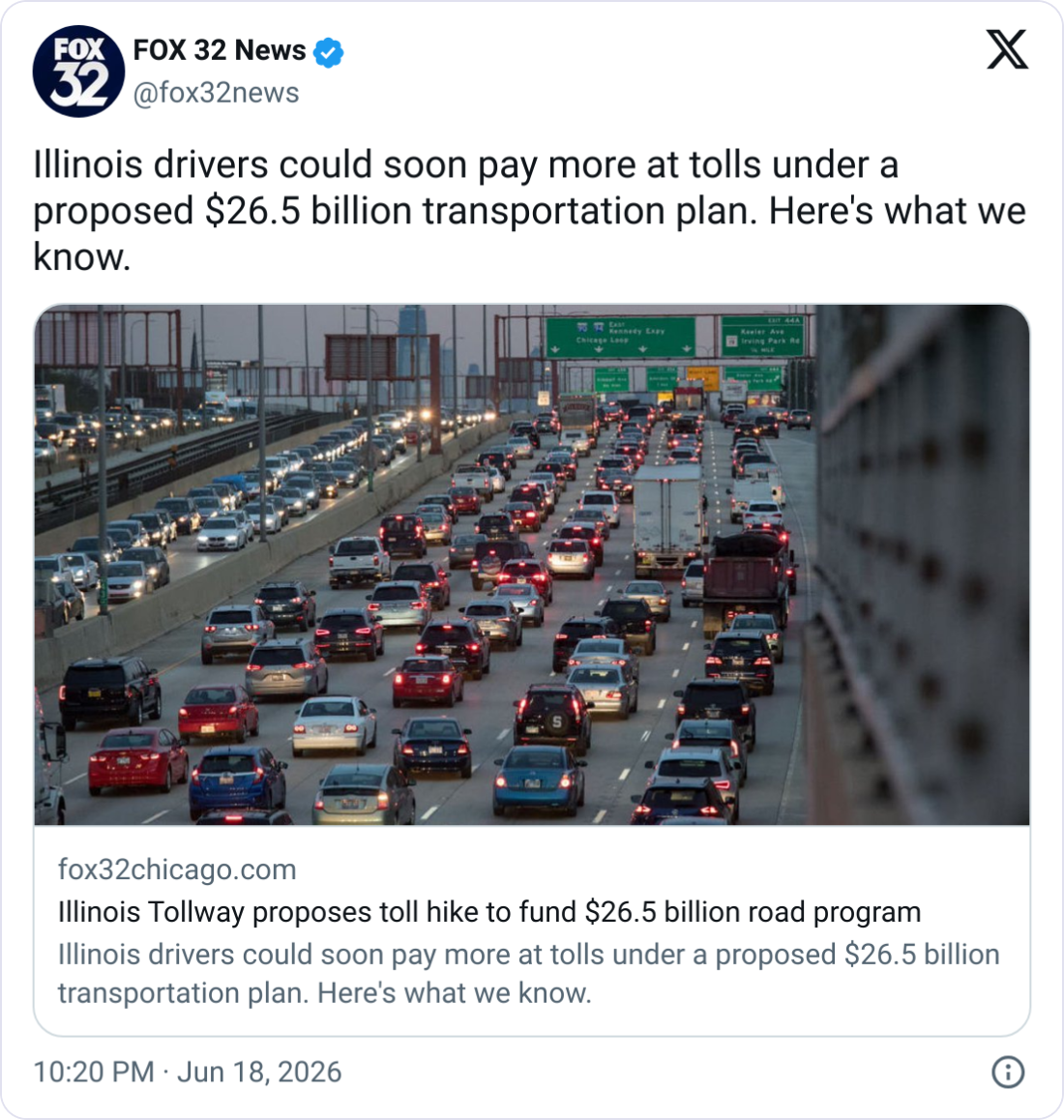
💸 Chicagoland Tolls Are About To Jump 30%. The Illinois Tollway's $26.5B plan would raise commercial rates roughly 30% in January 2027, pushing truck rates to about $0.90 a mile.
⚖️ The DACA Driver Fighting the CDL Purge. A DACA recipient just became the public face of a lawsuit challenging the states stripping non-domiciled CDLs.
🌹 $6.8M Of Cocaine, Hidden In Roses. CBP pulled 516 pounds from a "fresh flowers" load at the Laredo crossing; 211 packages, and the driver swore they were just roses.
🚨 One Trucker Did Dispatch's Job For Them. He called 911 to report his own drunk driving; case closed, no investigation required.
🚧 A Gas Station Is About To Snarl I-10. Arizona DOT is warning of "HEAVY" traffic as a new Buc-ee's draws tens of thousands.
Plus, a carrier pleading guilty to mob money laundering while still FMCSA-active, Iran's first post-ceasefire attack and what it means for diesel surcharges, FedEx Freight's first earnings as a standalone company, and more in today's newsletter.
Bad carriers are gaming the weigh station system. Plus, C.H. Robinson's own engineer goes scorched earth on Reddit, the Ghost Truck Act gets roasted, and more in today's newsletter.
Keep up with the freight broker world in 5 minutes.
Join over 14K+ subscribers to get the latest freight news and entertainment directly in your inbox for free. Subscribe & be sure to check your inbox to confirm (and your spam folder just in case).