66% of logistics pros say talent quality — not cost — is the #1 factor in choosing a nearshore partner. Rapido's integration model explains why that's the right question to be asking.
Plus, a carrier pleading guilty to mob money laundering while still FMCSA-active, Iran's first post-ceasefire attack and what it means for diesel surcharges, FedEx Freight's first earnings as a standalone company, and more in today's newsletter.
Freight brokers are measuring their inboxes wrong. Most inbound email is monitoring, not work. And the longtail categories that look like noise are costing real margin. Here's how to audit what's actually in your inbox, and why it matters in 2026's margin-first market.
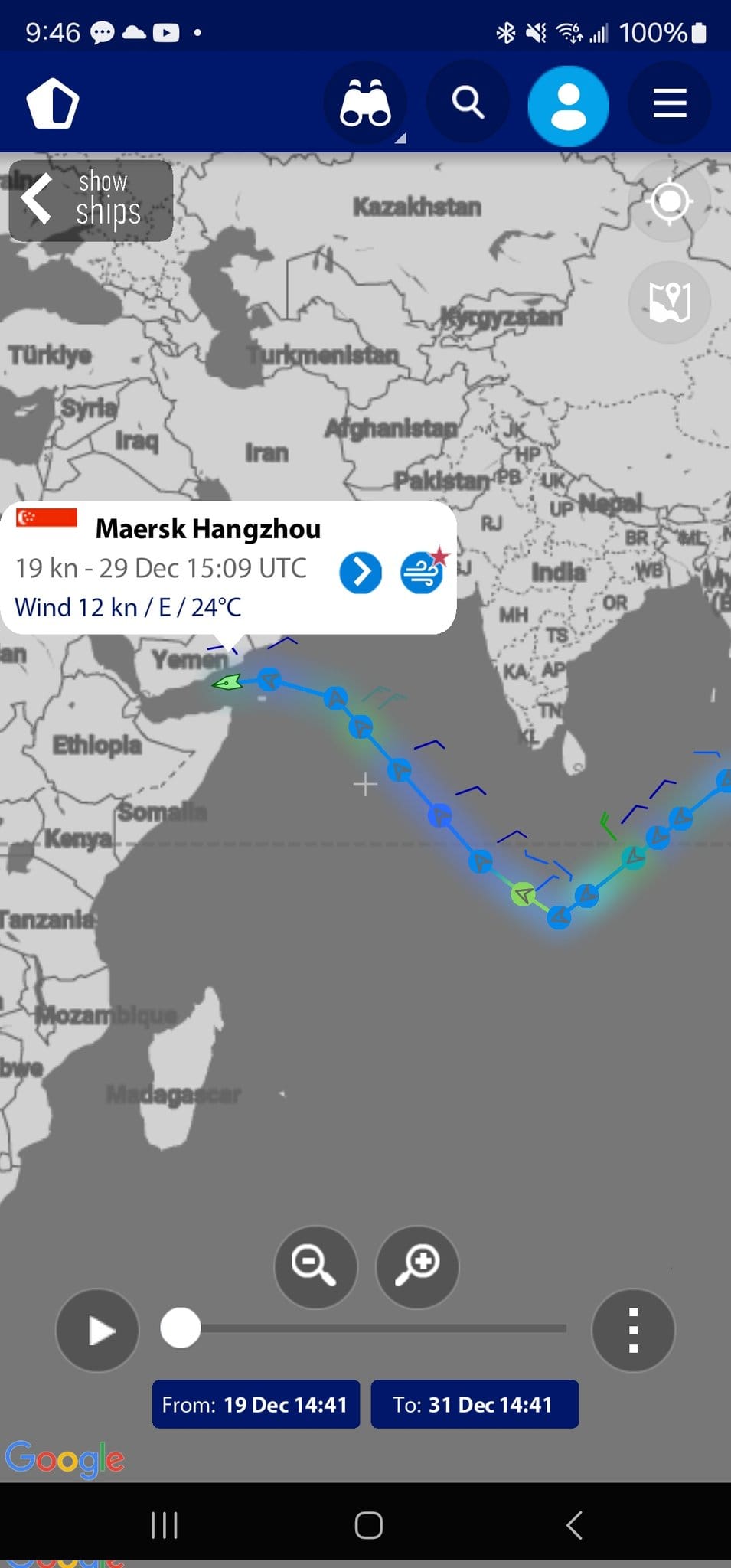
Maersk, a global shipping leader, has indefinitely suspended its operations through the Red Sea following a severe attack on the Maersk Hangzhou. This decision marks a significant escalation in the ongoing maritime security crisis in the region. The most recent attack occurred on December 30, when the Maersk Hangzhou was targeted by Houthi rebels, leading to an intense confrontation involving U.S. Navy helicopters.
The path of the escorted Maersk Hangzhou before being attacked as it entered the Red Sea. Source: Sal Mercoliano/Twitter
Attack Timeline: On December 30, the Maersk Hangzhou faced a missile strike, followed by an attempted boarding by armed Houthi boats. U.S. helicopters intervened, sinking three of the assailant boats.
Indefinite Suspension: Maersk's decision to suspend shipping routes through the Red Sea reflects the heightened risks in this crucial maritime corridor, impacting global logistics networks.
Rising Costs and Market Response: The rerouting of ships and the ensuing uncertainty have led to a spike in freight costs. For instance, shipping a 40-foot container from Shanghai to New York now averages $5,000, up from $3,500 in December.
This latest incident shows the fragile nature of these key maritime trade routes and their susceptibility to geopolitical strife. The indefinite suspension by Maersk underscores the seriousness of the situation, forcing logistics professionals to seek alternative routes and strategies to mitigate the impact on global trade.
I’m Adriana, a writer and editor at FreightCaviar. I’ve covered everything from freight tech to industry lawsuits and market shifts, helping scale us to almost 14K subscribers. My goal: to make logistics stories digestible, clear, and fun to read.
Plus, the offshore dispatchers your safety score can't catch, why Hormuz stays closed even after the war ends, what Triumph Financial's invoice volumes say about where freight is headed, and more.
Plus, Super Ego fires back at 60 Minutes, China tells Maersk and MSC to exit Panama ports, New York loses $73.5 million over non-domiciled CDLs — and more in today's newsletter.
Mexico plans tariffs of up to 50% on Chinese goods, reshaping North American trade flows as C.H. Robinson rolls out a new U.S.–Mexico consolidation service to cut costs.
Peak season imports into the U.S. slowed sharply in 2025, with Chinese exports plunging 27% year-over-year and carriers cutting sailings as tariffs and inventory frontloading reshape trade flows.
Keep up with the freight broker world in 5 minutes.
Join over 14K+ subscribers to get the latest freight news and entertainment directly in your inbox for free. Subscribe & be sure to check your inbox to confirm (and your spam folder just in case).