66% of logistics pros say talent quality — not cost — is the #1 factor in choosing a nearshore partner. Rapido's integration model explains why that's the right question to be asking.
Plus, a carrier pleading guilty to mob money laundering while still FMCSA-active, Iran's first post-ceasefire attack and what it means for diesel surcharges, FedEx Freight's first earnings as a standalone company, and more in today's newsletter.
Freight brokers are measuring their inboxes wrong. Most inbound email is monitoring, not work. And the longtail categories that look like noise are costing real margin. Here's how to audit what's actually in your inbox, and why it matters in 2026's margin-first market.
Congress is moving to put driverless 80,000-lb trucks on public roads. Plus: 13,000 California CDLs get cancelled, diesel hits a 32-year record, Florida wants $50K to get your truck back, and more.
Happy Hump Day. Congress is moving to put driverless 80,000-pound trucks on public roads, and the industry's biggest trucker group just said not so fast.
Plus:
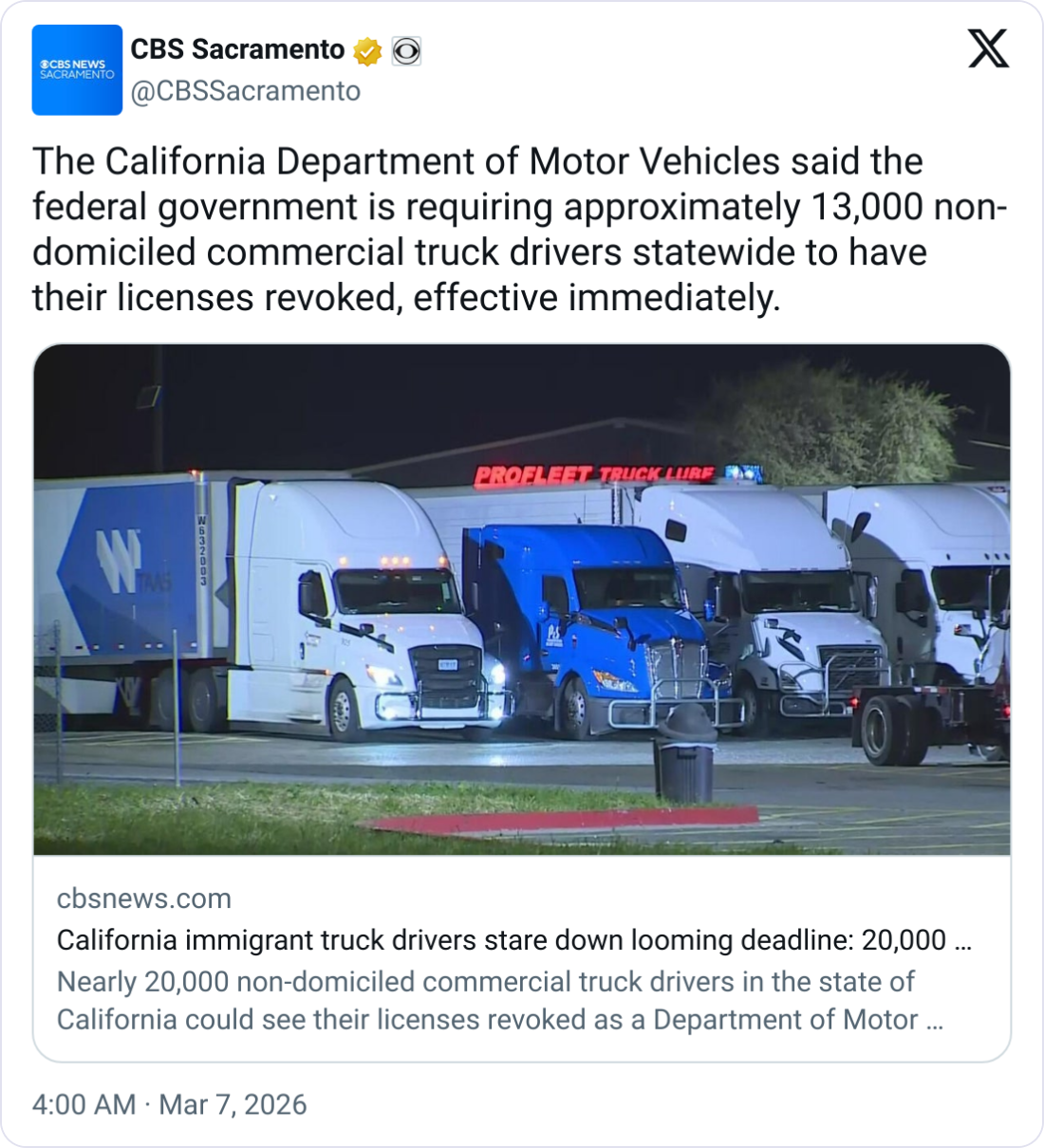
13,000 California CDLs Cancelled
Diesel Just Hit a 32-Year Record
$50K to Get Your Truck Back
💡
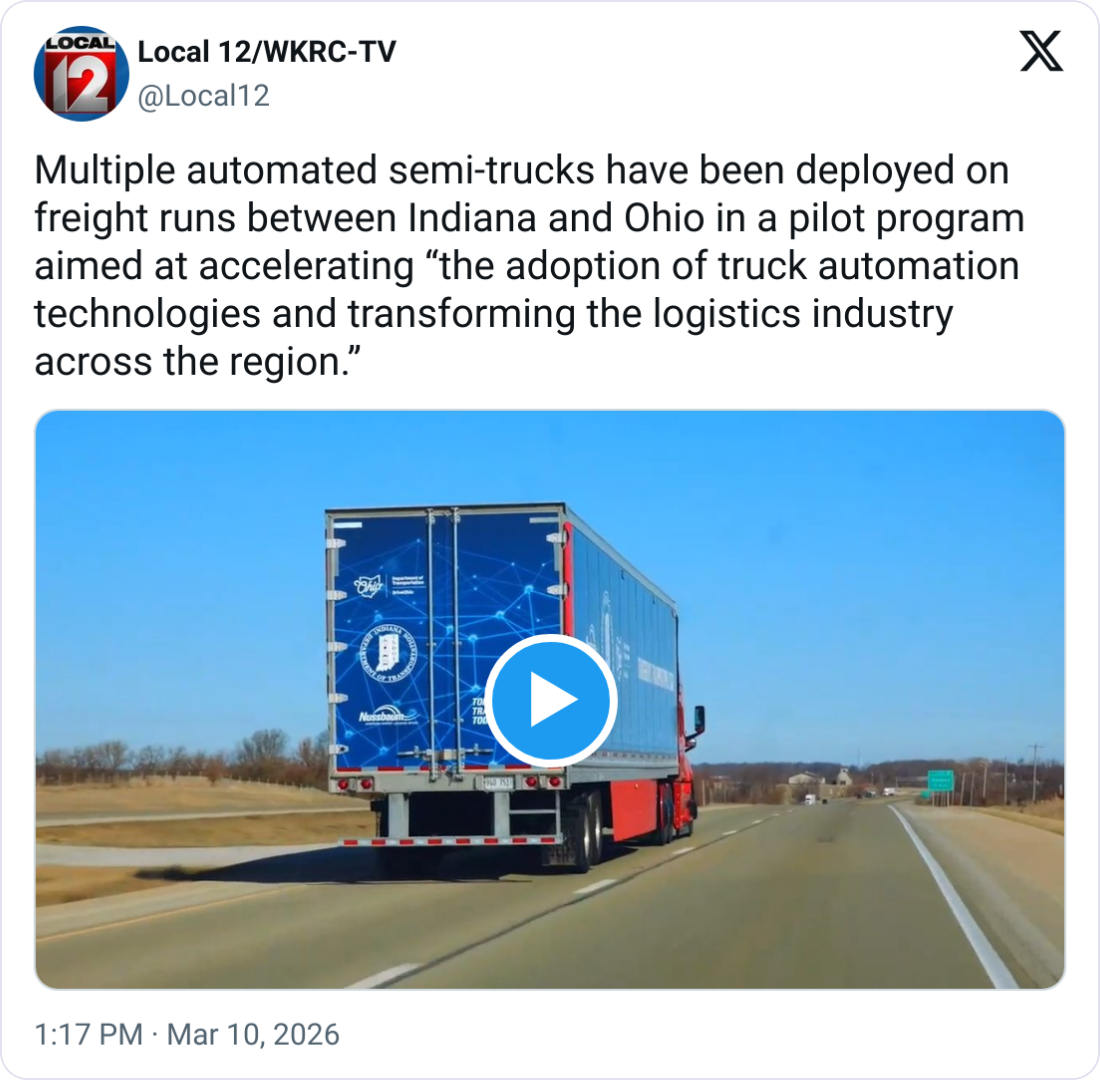
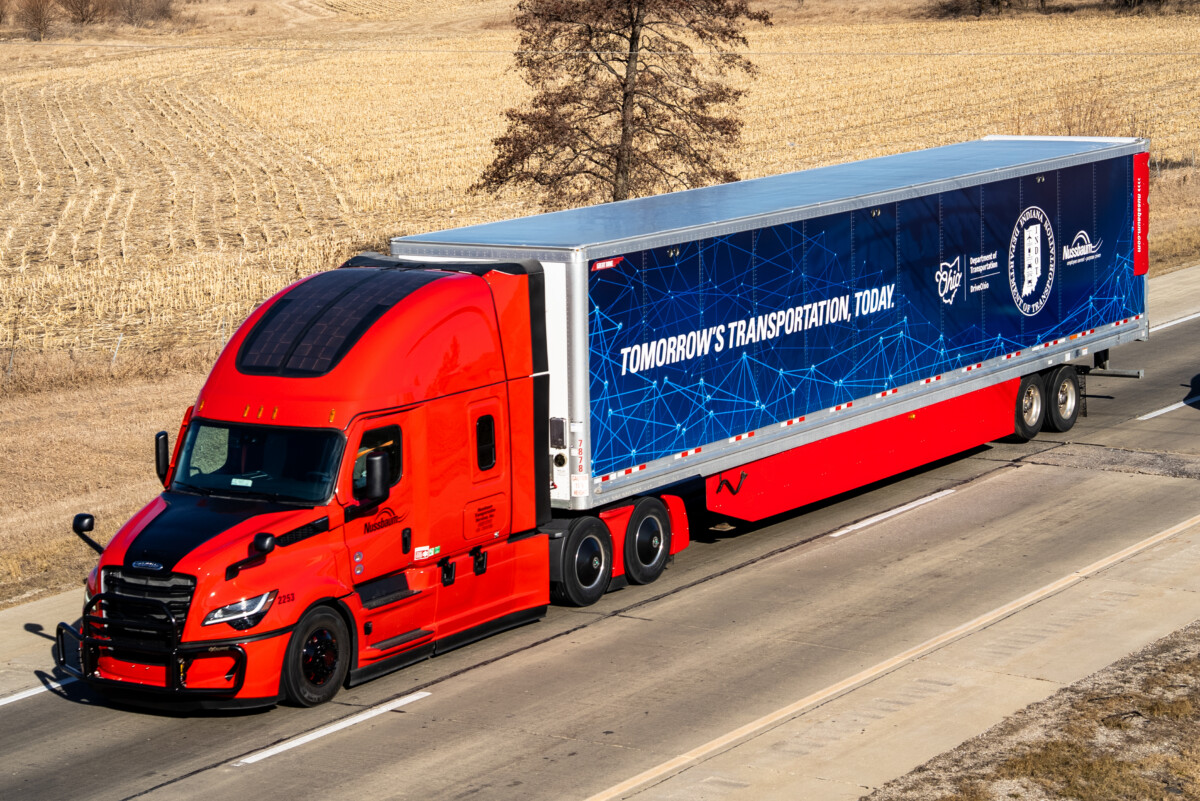
Question of the Day: Which trucking company recently deployed three automated trucks to haul freight between Indiana and Ohio?
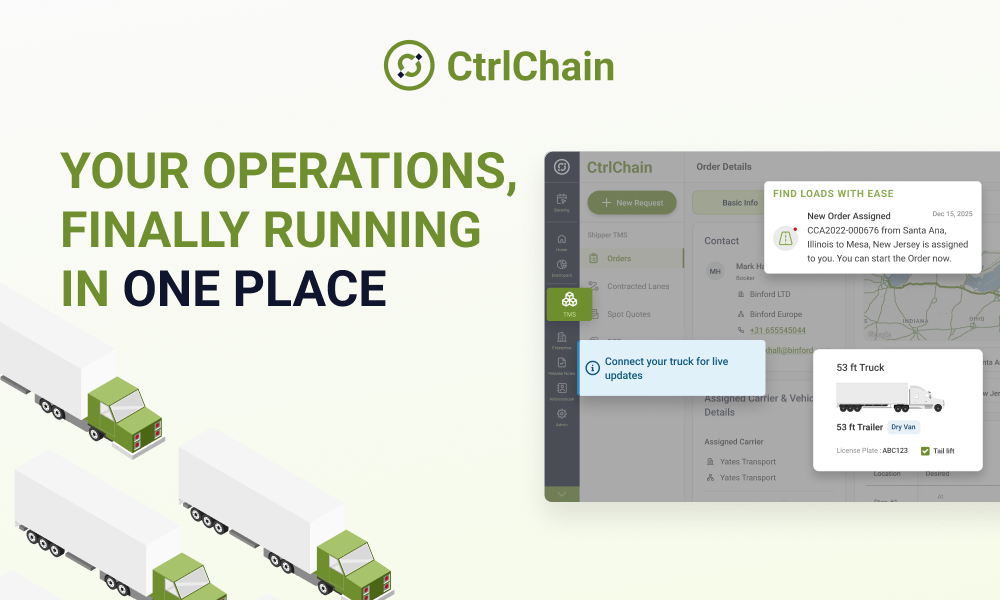
Today's Newsletter is Brought to You by CtrlChain.
🍳 What's Cookin' In Freight
🚨 13,000 California CDLs Cancelled. California cancelled roughly 13,000 non-domiciled commercial driver’s licenses on March 6 after a federal audit found the state issued credentials that extended beyond drivers’ legal work authorization. Many drivers had applied legally but were caught in the DMV’s paperwork failures. The bigger shift hits March 16, when a new FMCSA rule sharply limits who can qualify for non-domiciled CDLs nationwide. Analysts estimate up to 97% of the ~200,000 drivers in that category could be disqualified, tightening capacity if the rule survives court challenges.
⛽ Diesel Just Hit a 32-Year Record. The number used to calculate fuel surcharges across the country jumped 96.2 cents in a single week to $4.859/gallon, the biggest one-week move ever recorded. The previous record was set when Russia invaded Ukraine in 2022. That's now eight straight weeks of increases, with diesel up $1.40/gallon over that stretch. The Strait of Hormuz is operating at 10% of normal traffic levels. Persian Gulf oil loadings dropped from 20 million barrels a day to 3 million last Sunday. Those wells don't flip back on overnight; recovery takes weeks or months.
💸 Florida Wants $50K to Get Your Truck Back. A bill moving through the Florida legislature would hit trucking companies with a $50,000 fine and an impounded truck if they're caught employing undocumented drivers. The truck stays locked up until the penalty is paid; no exceptions. Florida has already stopped administering CDL exams in any language other than English and banned CDL issuance to non-residents this year. The state can also bar the carrier from operating in Florida entirely.
Your Road Operations, Finally Running in One Place
Most logistics teams juggle planning, carrier emails, spreadsheets, and status calls. A unified TMS solves most of these issues by pulling everything into one clean workflow.
Orders flow in automatically. Contracted lanes assign the right carrier without human input. Spot quotes run through a quick, structured quote flow. Every milestone updates in real time, every document lands in the right place, and every stakeholder sees the same truth.
It is the control layer that road logistics has always needed: less noise, fewer steps, and full transparency from booking to delivery.
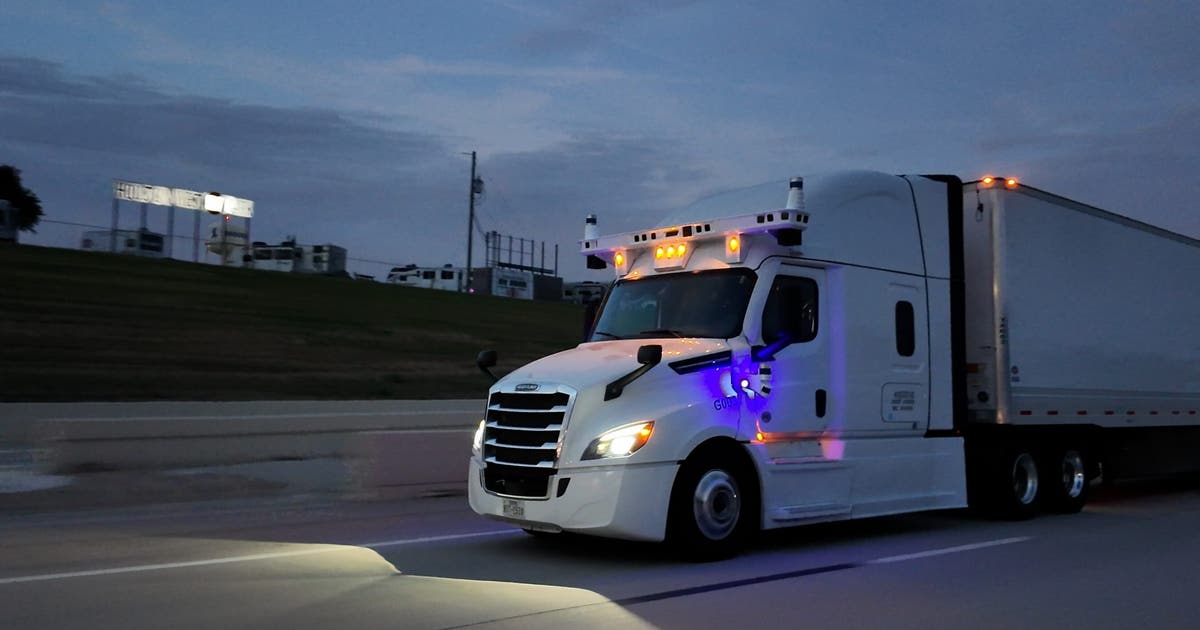
Washington is moving on driverless trucks faster than most carriers realize.
OOIDA is warning Congress not to allow 80,000-pound autonomous trucks onto public highways, largely based on what manufacturers say about their own safety. The fight centers on the SELF DRIVE Act (H.R. 7390), which OOIDA says relies too heavily on self-certification.
In simple terms, companies would write a “safety case” explaining why their self-driving truck is safe, but there is no hard requirement that the federal government independently verify it before deployment.
That’s why truckers are paying attention.
Trucking is one of the most regulated industries in the country. Carriers deal with inspections, compliance reviews, insurance scrutiny, and liability on a daily basis. When a bill appears to give autonomous companies a lighter path onto public highways, small carriers notice.
OOIDA is also raising cybersecurity concerns. These trucks are networked systems making driving decisions through software and sensors. If something fails or gets compromised, it’s an 80,000-pound control problem.
Meanwhile, the autonomous side isn’t acting like this is far away.
Industry research now says the main barrier isn’t software anymore, it’s manufacturing and service networks. Fleets won’t buy these trucks at scale unless they are factory-built and supported by OEM dealer networks.
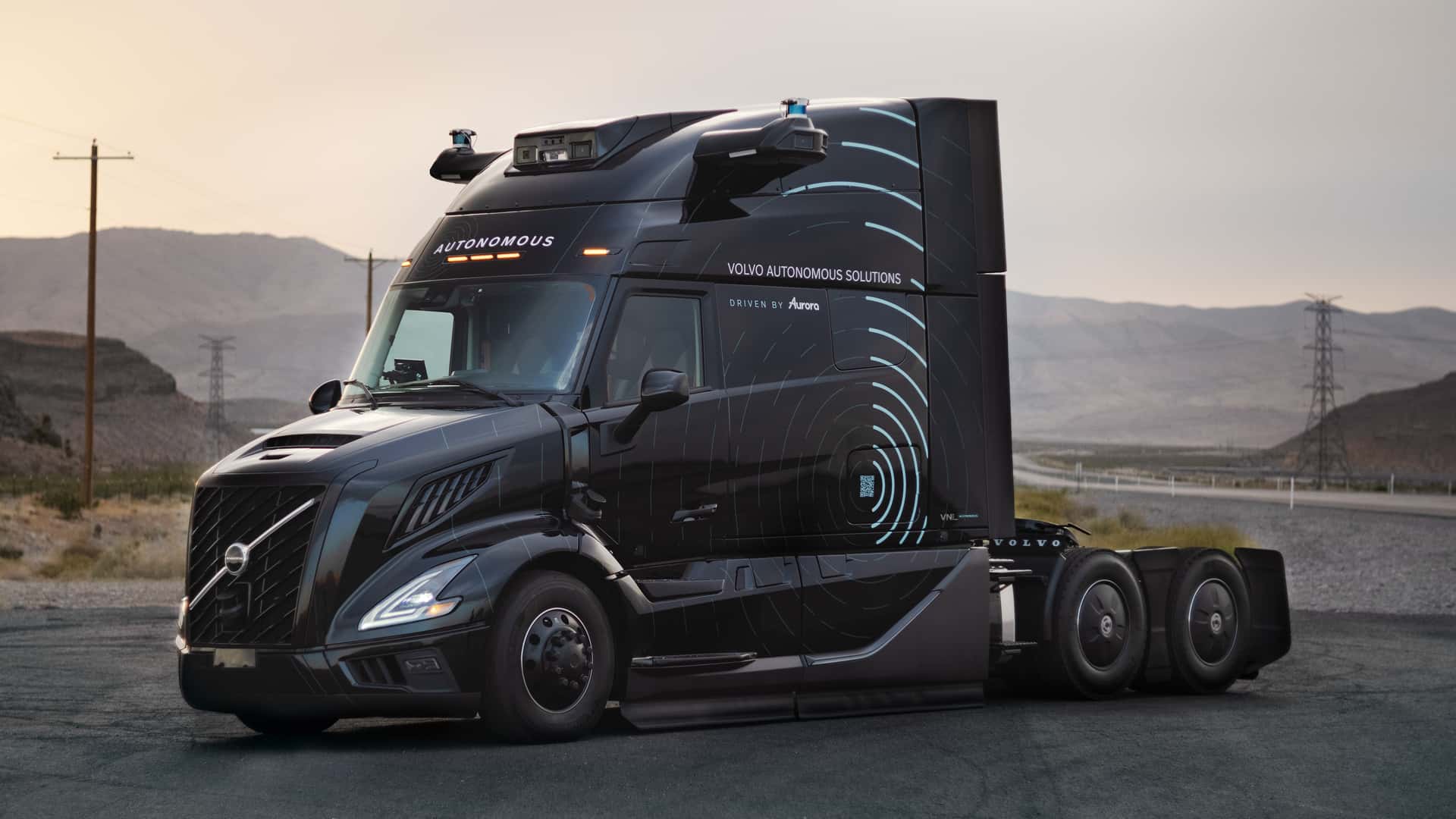
That’s why companies like Aurora, Torc, Waabi, and Plus are partnering with major truck manufacturers.
Aurora is aligned with Paccar and Volvo. Torc sits under Daimler. Waabi has Volvo. Plus is working with Traton, Iveco, and Hyundai.
And the rollout is expanding.
Aurora recently showed its driverless trucks running a ~1,000-mile Phoenix–Fort Worth route nonstop, something human drivers can’t do under Hours-of-Service limits.
Your inbox wasn’t built for invoicing. Epay Manager was.
For decades, Epay has deliveredback-office automation for freight brokers that is fundamentally different: it delivers a proactive invoicing workflow by building the carrier invoice from data in your TMS and proactively collecting invoice documents in-platform.
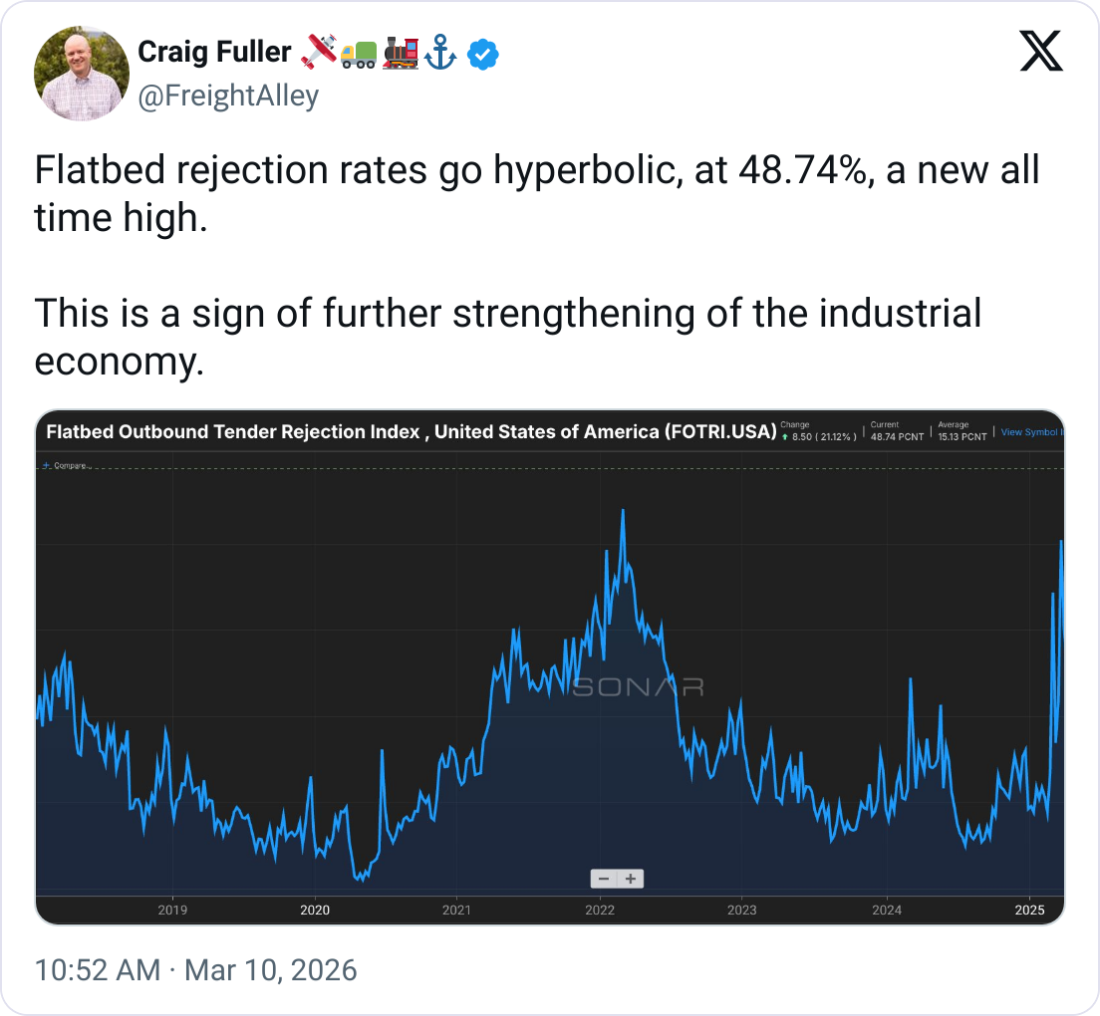
📈 Flatbed Rejection Rates Hit All-Time High. Craig Fuller posted SONAR data showing flatbed rejection rates at 48.74%, a new all-time high. Fuller says demand from large industrial shippers is driving it, not just driver enforcement.
🔋 Hydrogen Trucks Just Hit 20 Million Kilometers. Hyundai's Xcient fuel-cell trucks reached a milestone in Europe. Now the company is pushing into U.S. ports and California freight operations.
💸 Fura Acquires Its 5th Broker. Texas-based Fura acquired Barton Logistics, adding another brokerage to its AI-powered rollup platform.
📦 Tariff Uncertainty Could Slow Imports. Retail container imports into U.S. ports are expected to fall in early 2026 as companies delay orders amid uncertainty over tariffs, according to the latest Global Port Tracker report.
🇮🇷 Iran Mining the Strait of Hormuz. Iran is reportedly planting naval mines in the Strait of Hormuz while U.S. forces hunt down mine-laying boats. The Navy is now declining escort requests from shipping companies.
Plus, a carrier pleading guilty to mob money laundering while still FMCSA-active, Iran's first post-ceasefire attack and what it means for diesel surcharges, FedEx Freight's first earnings as a standalone company, and more in today's newsletter.
Bad carriers are gaming the weigh station system. Plus, C.H. Robinson's own engineer goes scorched earth on Reddit, the Ghost Truck Act gets roasted, and more in today's newsletter.
Keep up with the freight broker world in 5 minutes.
Join over 14K+ subscribers to get the latest freight news and entertainment directly in your inbox for free. Subscribe & be sure to check your inbox to confirm (and your spam folder just in case).