66% of logistics pros say talent quality — not cost — is the #1 factor in choosing a nearshore partner. Rapido's integration model explains why that's the right question to be asking.
Plus, a carrier pleading guilty to mob money laundering while still FMCSA-active, Iran's first post-ceasefire attack and what it means for diesel surcharges, FedEx Freight's first earnings as a standalone company, and more in today's newsletter.
Freight brokers are measuring their inboxes wrong. Most inbound email is monitoring, not work. And the longtail categories that look like noise are costing real margin. Here's how to audit what's actually in your inbox, and why it matters in 2026's margin-first market.
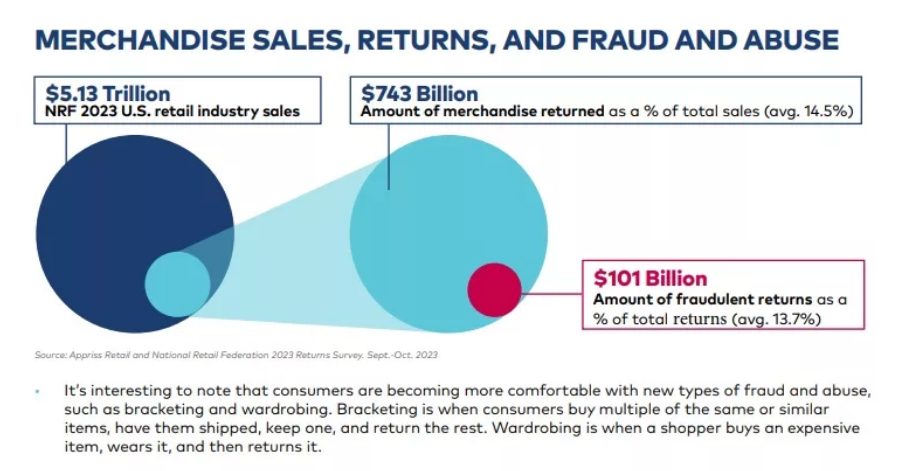
The National Retail Federation (NRF) reports that over $100 billion worth of merchandise was fraudulently returned in the U.S. in 2023, a figure that's more than doubled since 2020.
Logistics companies that handle returns for retailers are encountering a baffling trend: returned electronics boxes filled with bricks, counterfeit luxury items replacing genuine products. This isn't just a minor inconvenience; it's a growing crisis. The National Retail Federation (NRF) reports that over $100 billion worth of merchandise was fraudulently returned in the U.S. in 2023, a figure that's more than doubled since 2020.
Holiday Returns: During the holiday season, about 15% of merchandise is expected to be returned, with nearly 17% of these returns anticipated to be fraudulent.
Exploitation of Policies: Fraudsters are capitalizing on policies like free online returns, which have increased overall returned merchandise as consumers order multiple items with the intention of returning some. Individuals are gaming the returns system, such as sending back different items than originally purchased, or counterfeit products, hoping to receive refunds before the fraud is detected.
Types of Return Fraud
Wardrobing: The return of used or worn items.
Receipt Fraud: Using fake or manipulated receipts.
Fraudulent Returns: These are fake or different items than the original.
The growth of online channels has influenced retail sales and returns, leading to new categories in online returns like claims and appeasements, which cover reports for missed, late, or damaged deliveries. This category is the fastest-growing in return fraud.
Retailers' Response: Retailers are coping with increased shrink (an industry term that includes theft) and are exploring options like in-store returns to reduce fraud. In-store returns are observed to result in much lower fraud than mail-in returns. Other strategies include:
Using rigorous receipt checking systems.
Requesting identification during returns.
Utilizing data analysis to track return patterns and flagging unusual behavior with the assistance of AI and machine learning tools.
The issue of fraudulent returns is more than just a logistical headache; it's a multi-faceted challenge affecting the entire supply chain.
I’m Adriana, a writer and editor at FreightCaviar. I’ve covered everything from freight tech to industry lawsuits and market shifts, helping scale us to almost 14K subscribers. My goal: to make logistics stories digestible, clear, and fun to read.
Bad carriers are gaming the weigh station system. Plus, C.H. Robinson's own engineer goes scorched earth on Reddit, the Ghost Truck Act gets roasted, and more in today's newsletter.
Plus, USPS gives non-domiciled CDL carriers an 11-day deadline, the spot-to-contract spread starts squeezing 3PLs, Knight-Swift trims its Q1 guide but stays bullish, and more.
Plus, diesel's rising price streak finally snaps, a 13-year shipper relationship ends in a $726K lawsuit, Congress takes a real swing at cargo theft, and more in today's newsletter.
Keep up with the freight broker world in 5 minutes.
Join over 14K+ subscribers to get the latest freight news and entertainment directly in your inbox for free. Subscribe & be sure to check your inbox to confirm (and your spam folder just in case).